Cheesy Pork Quesadillas With Avocado Crema

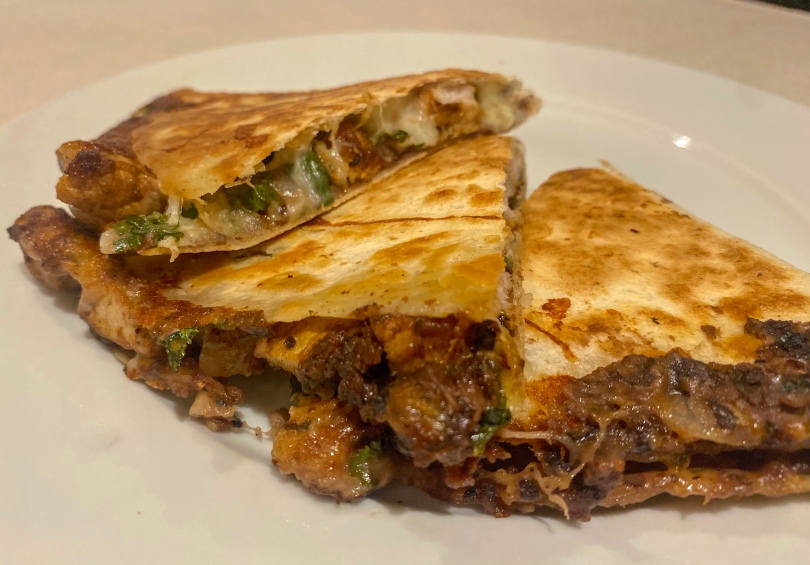
This dish is one of my favourite comfort foods I make. I use a limey, garlicky, coriander-y marinated pork steak, my creamy refried black beans, two types of cheese and fry it up in a tortilla for a delicious meaty cheesy meal – all dipped in a lovely fresh avocado crema. I am the worst (or the best) for overfilling my quesadillas, but I’m not mad becuase it means I end up with this lovely cheesy crust around the outside. If anything, it makes it better. This is a super flavourful, rich but still fresh tasting meal.


Cheesy Pork Quesadillas With Avocado Crema

Serves 2 | 1 hour cooking + prep (+6-24 hours marinating)

Ingredients

Pork:

2 pork loin steaks, chops or shoulder steaks (~240-300g)

Large handful coriander

2 large cloves garlic

Juice & zest of 2 limes

2tbsp white winer vinegar

Salt & Pepper

Beans:

1 400g tin black beans + their juice

2 large cloves garlic minced

Chicken stock pot/cube

2-3tbsp double cream

Avocado Crema:

1 avocado

Juice 1 lime

1 large clove garlic

100ml sour cream or creme fraiche

Quesadillas:

2 large flour tortillas

1/2 white onion diced

60g grated cheddar*

60g low moisture mozzarella grated (see notes)*

*Cheese amounts are not set in stone – please use as much as you’d like

Method

  1. Prepare the pork – you want the pork to be no thicker than 1.5cm. If it is thicker, lay down cling film, lay the pork on top and then another layer of cling film and flatten the pork using a the flat side of a tenderiser or rolling pin to real 1.5cm or less.
  2. Make the marinade for the pork by adding all the ingredients, bar the pork, to a blender and blending until no large lumps are left. Combine the pork and marinate in a bowl or bag and refrigerate for 6-24 hours. Remove the pork from the fridge about an hour before cooking to reach room temperature for more even cooking.
  3. Next up, the refried beans. Heat a splash of olive oil in a small sauce pan over medium heat. Add the garlic and fry until golden.
  4. Add the beans, their liquid, the chicken stock and ~half a tin of water to the pan. Bring to the boil and reduce for 15-20 mins until about 1/3 of the liquid remains. You could reduce for more or less time depending on how thick you like your beans – I like mine a little thinner.
  5. Smash the beans using a potato masher until your desired texture. This is optional, but I like to stir through a little double cream to get a more luxurious texture. If using, add the cream bit by bit, tasting after each addition until it reaches your desired texture and taste. Season to taste with salt and pepper and set aside
  6. Make the avocado crema – add all ingredients to a food processor or blender and blend until smooth. Cover with cling film, you want the cling film to touch the surface to avoid any browning. Set aside in the fridge until ready to use
  7. Now to cook the pork. Coat the bottom of a cast iron (ideally, but other frying pans will work) and heat over medium high heat. Once hot, add the pork steaks. Cook for 2-3 mins each side until cooked through. Be sure to check there is no pinkness left in the middle – cooking time will depend on your hob, pan and steak thickness.
  8. Rest the pork for 5-10 mins under foil, then cut the steak into 1cm cubes.
  9. Now it’s time to assemble the quesadillas. Put a large, dry pan over medium low heat and add the first tortilla. Fill one half of the tortilla as follows: a layer of beans, cheddar, chopped onion, pork, mozzarella. Fold over the tortilla and press down.
  10. Cook until golden brown, flip and cook the other side. A good hint for flipping is to place a plate on top of the frying pan, flip the quesadilla onto the plate then slide it back into the pan.
  11. Repeat to make the second the second quesadilla.
  12. Chop into thirds and serve with the avocado crema for dipping.

Note: In the UK we can’t get blocks of low moisture mozz so we have to use the grated stuff. In this case you’ll need to wash the mozzarella to get rid of the starch (this is used to stop the cheese sticking to itself, but it’ll also stop you getting a nice melt). Put the cheese into a sieve and rinse under cold water until the water runs clear. Spread the cheese in a thin layer onto paper towels and leave to dry.

Pasta Puttanesca

Puttanesca (-esque) Sauce

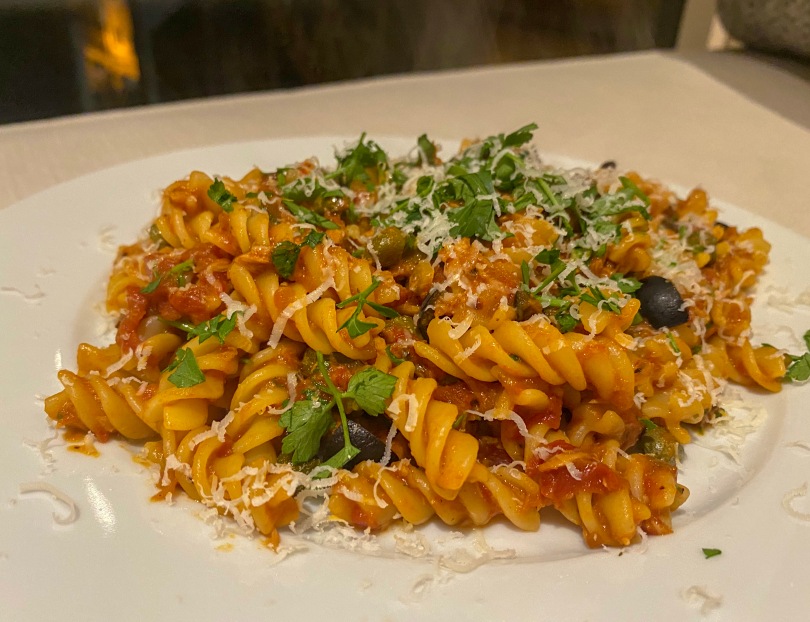
I learnt about this sauce from the Series of Unfortunate Events movie (IYKYK) and I’ve never looked back. Its a super salty, umami, rich tomatoey sauce – it really packs a punch without feeling too heavy. This is such a great go to weeknight dinner, sped up even more by using a frozen batch of my marinara. I always have a stock of this in my freezer as it can be adapted for so many dishes, and having the sauce ready knocks a good 20 mins off cooking times. This is another of my 15 minute pasta dishes where the sauce is prepped & cooked in the time it takes the pasta to cook. I’ve called this puttaensca-esque as I’ve included tuna which the original doesn’t – I love the addition of tuna for some extra fishiness and protein which keeps me fuller longer.


Putanesca (-esque) Sauce

Serves 1 | 15 mins prep + cook

Ingredients

100g fusilli or other short pasta (or 75g if you aren’t very hungry like me 95% of the time)

1 large clove garlic, thinly sliced

3 jarred/tinned anchovy fillets

1/2 tin tuna (drained)

1/4 batch of my marinara sauce

35g black olives roughly chopped

1tbsp capers

Sprinkle of chilli flakes, to taste

Handful parsley finely chopped

Squeeze of lemon to taste

Parmesan to serve

Method

  1. Cook the pasta in a heavily salted pan of water until al dente.
  2. Meanwhile, heat a splash of olive oil in a frying pan over medium high heat. Add the anchovies and fry, stirring often, until they dissolve into the oil.
  3. Add the garlic and frying until golden. Keep a close eye on this as this will burn quickly. Add the tuna and stir until combined
  4. Reduce the heat to low and add the marinara, capers, olives and chilli flakes (if using). Stir until warmed through. If the sauce is too thick at this point, add some pasta water to reach the desired consistency.
  5. Take off the heat, add salt, pepper and lemon juice to taste. Stir through the parsley (reserve some to serve) and set aside.
  6. Once the pasta is cooked, combine with the sauce and serve with the remaining parsley sprinkled on top and some grated parmesan.
Steak sandwich with onion, goats cheese and salsa verde

Steak Sandwiches With Goats Cheese, Onions & Salsa Verde

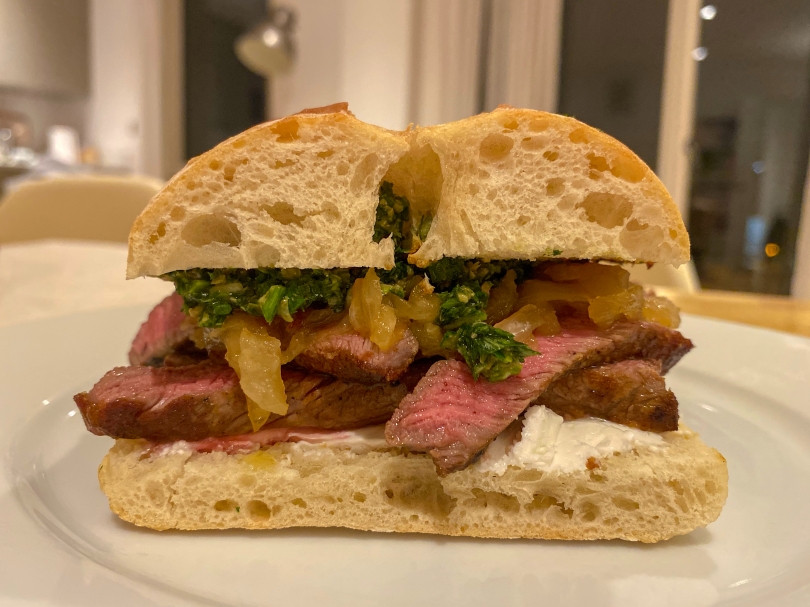
I absolutely love steak sandwiches because I think it opens up the space to be really inventive with a steak. Steak and good bread is such a good base for almost any flavourings, but my personal favourite is this combo with salsa verde, caramelised onions and goats cheese. The onions and steak are both buttery rich, and the salsa verde cuts through that perfectly. For me, goats cheese is the perfect pairing as it adds the soft, creamy texture the sandwich needs but with an added tang. I know goats cheese can be a bit controversial, but I absolutely love it and stand by its use in this sandwich (that being said if you want to sub it for another soft cheese or good mayo I won’t be offended, as long as you let me know how it goes). I’ve also added my top tips for cooking a good steak at the end – not to toot my own horn but I really think I’ve mastered the perfect steak. I get mine caramelised on the outside with loads of butter and garlic, but still pink on the inside. All in all this sandwich really feels like a proper treat dinner – each component is delicious, well made and perfectly balanced.


Steak Sandwiches With Goats Cheese, Onions & Salsa Verde

Serves 2 | 45 mins prep + cooking

Ingredients

2 steaks of your choice or ~500g (I usually go for ribeye – good marbling)

2 white onions

1tbsp olive oil

3tbsp butter

1 batch of my salsa verde

2 large cloves garlic, peeled and squished

60g goats cheese

Ciabatta loaf (or bread of your choice)

Vegetable oil, to cook the steak

Method

  1. A couple of hours before you want to start cooking, remove your steak from the fridge, pat dry with kitchen towel and leave it out to dry and get to room temperature. This will allow you to get a good caramelisation on the steak when you cook it.
  2. Cut off the top & bottom of the onions, peel & chop in half. Finely slice the onions into half moons from side to side, not from top to bottom as this will caramelise better.
  3. Add the olive oil & 1tbsp of the butter to a saucepan and melt over a medium to low heat. When the butter has melted, add in the onions and a big pinch of salt. Stir to coat and put on a lid. Leave this to cook, stirring regularly, for~30mins until soft, jammy and caramelised.
  4. Once the onions are nearly cooked, it’s time to start the steak. Cover the bottom of a cast iron (or other) frying pan with a layer of vegetable oil and heat on high heat until smoking hot. Pat the steak dry one more time, then rub all over with olive oil. Right before you’re ready to add the steak to the pan season both sides generously with salt and pepper.
  5. Add the steaks to the pan, and allow to cook undisturbed for 1-3 minutes. Cooking time will be really variable depending on how you like your steak cooked, the thickness of the steak and your hob. Once cooked to your liking on one side, flip the steaks and add 2 tbsp butter and the garlic. The butter will foam up – use this to baste your steaks for the remaining cooking time.
  6. Once the steaks are cooked, transfer to a chopping board & place the garlic on top. Cover with foil & rest for ~10 mins.
  7. Split the bread in half and toast each side in a dry pan until golden.
  8. Now for assembly, first thinly slice the steak against the grain. Spread the goats cheese on the bottom layer of the bread, top this with the sliced steak and onions. Spread salsa verde on the top layer of the bread and close the sandwich. I like to serve my sandwiches wrapped in foil to prevent structural failure while eating.

My Top Tips for Cooking a Good Steak (from lots of trial and error)

  • Always leave the steak to reach room temperature before cooking
  • Always make sure the steak is very dry before cooking to allow caramelisation to form. Do this by patting with kitchen towel & leaving out before cooking to air dry.
  • Only salt the steak just before cooking, as the salt will draw out moisture undoing all the good drying work you’ve done.
  • Cover the whole base of the pan in oil and leave to get ripping hot before adding the steak. This will allow a caramelised crust to form on the steak
  • If you have a thick fat layer, you’ll need to render this. Using tongues, hold the steak fat side down for about a minute until golden and crispy. Then continue with the cooking process above.
  • Don’t move the steak until it’s time to flip again to allow a good caramelised crust to form.
  • Add butter, garlic & herbs after the first flip and baste to get that flavour into the steak.
  • Rest for about 10mins after cooking, this way the steak will soak up all the juices it releases and stay really moist.
  • Cut against the grain, this will make it easier to bit through in sandwich form.
Salsa Verde

Basics By Meg: Salsa Verde

Next up in the basics series we have this beautifully fresh and salty condiment, made of fresh herbs, garlic, salty capers and anchovies, all bound with some extra virgin olive oil. This is the perfect addition to any rich, fatty dish as it cuts right through the richness, leaving you with a very fresh feeling dish. I use this a lot with pork belly, for example in my Porchetta style sandwiches, as it really complements the fatty meat. It’s also really beautiful served with some fresh white fish, like a sea-bass, or even just on toast. It really is a very versatile sauce that can elevate your dish – hence why I feel it deserves a spot on the basics list.


Salsa Verde

Serves 2 large portions/4 small | 10 mins prep

Ingredients

Large handful parsley

Large handful basil

Small handful mint

1 large garlic clove

4-6 tinned anchovy fillets

1tbsp capers

3tbsp extra virgin olive oil

1tsp red wine vinegar

Method

  1. This is all prepped on one board. Start by mincing the garlic, anchovies & capers on a chopping board. I like to use a cleaver for this as it makes life a lot easier in future for folding the ingredients in on themselves. Push the garlic/caper/anchovy mix to one side.
  2. On the same board, roughly chop the herbs then add in the garlic, capers and anchovies. Now go to town chopping. Regularly scrape the mix in and fold it on top of itself. Keep chopping until everything is very fine & evenly sized.
  3. Transfer this mix to a bowl and stir in the oil and vinegar. Taste this for seasoning – add more vinegar, oil or salt to taste.
Italian Sausage Meat

Basics By Meg: Italian Sausage Meat

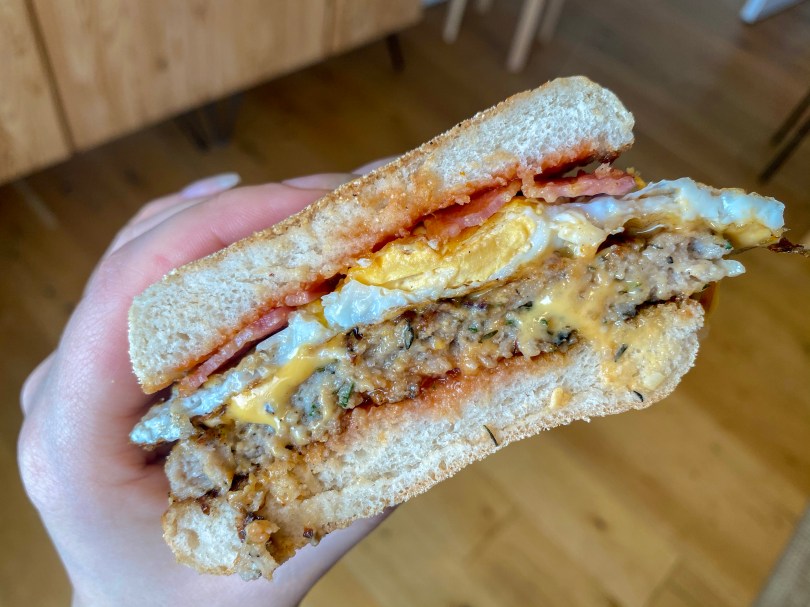
Number 2 in my basics collection is an absolute staple for pizza, pasta, sandwiches etc. etc. – Italian seasoned sausage. This is similar to my Italian sausage roll mix but slightly less strong (i.e. no anchovies & no parmesan) in order to make sure it complements the dishes it’s added to. I love this fried up in chunks & scattered over a pizza, squashed into a patty & fried for in a breakfast muffin, or anything really. I have a few recipes using this sausage coming up so keep your eyes peeled for ideas of how to use it. This can be subbed into any recipe calling for sausage meat if you want to add an Italian twist.


Italian Sausage Meat

Makes 400g | 10 mins prep

Ingredients

400g sausage meat

2 large garlic cloves, minced

Large handful parsely finely chopped

2tsp fennel seeds toasted (or fennel pollen if you can get your hands on it)

1 tsp dried thyme

1 tsp dried oregano

A few shakes of chilli flakes

Salt & black pepper to taste

Method

  1. In a dry pan over medium heat, toast the fennel seeds tossing often until fragrant. Leave these to cool & grind in a pestle & mortar (or coffee grinder, or chop with a knife – be prepared for them to pop out as you chop)
  2. Combine all ingredients in a bowl & mix thoroughly.
  3. Taste & adjust seasoning by frying up a small batch.

Note: I definitely recommend fennel pollen if you can source it as it adds the fennel flavour plus some extra delicious aromatics.

Garlicky anchovy pasta

Speedy Garlicky Anchovy Pasta

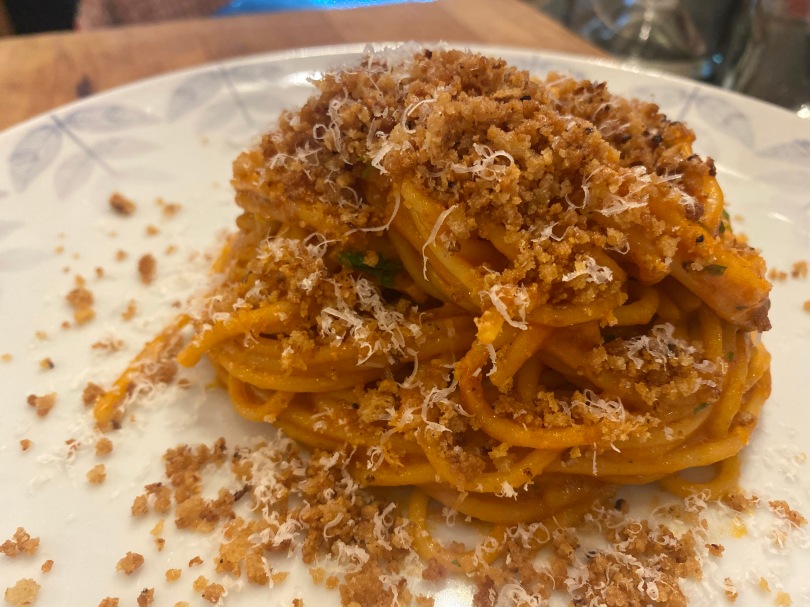
Even when I don’t have much time to cook, I refuse to sacrifice deliciousness. I created this pasta for such situations. I used strong flavours to make it exciting despite its simplicity (think salty, anchovy-y, tomatoey goodness). It uses mostly store cupboard ingredients too so not only is it quick to cook, you might not even need to go to the shop. As the cooking of the pasta is finished off in the sauce, the sauce ends up feeling very luxurious and clings to the pasta. This truly is a speedy dinner as the sauce is cooked in the time it takes the pasta to cook.


Speedy Garlicky Anchovy Pasta

Serves 2

15 mins prep + cooking

Ingredients

150g linguine or spaghetti (or any pasta really, but it works well with a long pasta)

1.5 tbsp olive oil

6 anchovy fillets in oil, roughly chopped

4 garlic cloves thinly sliced (or 2 large cloves)

Juice 1/2 lemon

2 tbsp tomato puree

1 tbsp butter (or more to taste)

4 tbsp grated parmesan (or more to taste, plus extra for serving)

Handful of parsley chopped

Panko breadcrumbs to serve (if you can get your hands on lemon & black pepper breadcrumbs, get those!) see the note for how to make the breadcrumbs a little fancier

Method

  1. Add your pasta to salted boiling water and cook for a few minutes less than the packet says.
  2. Meanwhile, add your oil and anchovies to a frying pan on medium high heat and cook until the achovies dissolve.
  3. Add the sliced garlic and cook until lightly golden
  4. Add the lemon juice to the pan and cook until mostly evaporated.
  5. Add the tomato puree and cook for a few minutes, stirring regularly until the colour darkens slightly. Take off the heat until the pasta is ready.
  6. Once the pasta is cooked, put the frying pan back onto medium high heat and transfer the pasta over being sure to reserve the pasta water. Add 100-200ml of pasta water to the frying pan and bring to a boil, stirring often, until reduced to almost nothing. Repeat this process until the pasta is cooked to your liking.
  7. Take the pan off the heat and add the butter & Parmesan. Stir through and add more butter/Parmesan to your taste. Add the chopped parsley.
  8. Serve with more parm and the breadcrumbs sprinkled over

Note: If you have time, I definitely recommend sprucing up your bread crumbs a little. In a frying pan heat up 1 tbsp oil + 1/2 tbsp butter with 2 minced cloves of garlic. Fry until golden, then add breadcrumbs (NOT panko) and fry those until evenly golden.

Miso Peanut Butter Noodles

Miso & Peanut Butter Ramen Noodles

This is one of my all time favourite recipes that I’ve created. When I finally got this recipe spot-on, I knew I’d created something great. So great that I made another bowl of if for breakfast the next day… And then again for dinner later that week… This dish combines miso, peanut butter & mushrooms for a rich, thick sauce that really packs an umami punch. My favourite way to have this is with sausage & a jammy boiled egg, but this can easily be made veggie by swapping the sausage for a different protein & the beef stock for veg stock, and vegan by removing the egg! The ultimate upgrade for your packet ramen. Speaking of packet ramen, you can use whichever brand you like for this dish. I use Chapaghetti because I love the thickness of the noodle (slightly thicker than your average packet ramen). I cannot stress enough how much you need to try this recipe – you will not be disappointed.


Miso & Peanut Butter Ramen Noodles

Serves 1 | 20 Mins Prep + Cooking

Ingredients

1 packet instant ramen noodles (I use Chapaghetti)

1.5tbsp chunky peanut butter (my fave is Manilife Deep Roast)

1.5tbsp white miso paste

2tsp soy sauce

1/2tsp beef stock concentrate

150g Chestnut mushrooms, sliced ~0.5cm thick

1 large garlic clove, minced

A handful of parsley, finely chopped

1 egg

Optional: 1 sausage, removed from casing

Method

  1. Boil the egg for 7 mins, once cooked set aside in a bowl of iced water until ready to use.
  2. Heat a small frying pan medium high heat adding ~1tsp olive oil. Break the sausage meat into chunks and flatten slightly. Fry for a minute or two (depending on how hot the pan is) on each side until caramelised and cooked through. Set aside until ready to use.
  3. Add the mushrooms to the same frying pan, add a little more oil if it’s too dry, and fry until all the water has been released, has evaporated and the mushrooms are starting to brown.
  4. Add your crushed garlic and fry, stirring often, until fragrant.
  5. Next add the miso, peanut butter, soy sauce, stock & enough water so that once the noodles are added, they will be submerged. Stir this until well combined & smooth apart from the mushrooms.
  6. Bring this mix to the boil & add the noodles. Cook this, stirring frequently, until the noodles are cooked through and the sauce has reduced and thickened to the texture of thick double cream.
  7. While this is cooking, roughly chop the sausage into mouth-sized chunks. Peel and half the egg.
  8. Once the noodles are cooked, stir through the parsley. Serve in a bowl with the egg & sausage on top.

Note: If you don’t have stock concentrate, swap the water for stock of your choice

Veggies/Vegans: Make this dish veggie by swapping the sausage for a protein of your choice & swapping the beef stock for veg stock. Omit the egg to make it vegan